

In healthcare, your reputation is your currency.
It affects patient trust, shapes referral relationships, influences staff recruitment, and in medical real estate, it directly impacts leasing stability and long-term asset value.
Your reputation isn’t built through marketing and growth alone. It’s built through the patient experience, shaped by environment, operations, and the physical space where care is delivered.
For healthcare providers and property owners alike, protecting reputation is not optional. It’s fundamental.
Reputation Building Starts Before the First Appointment
Patients form first impressions before they even meet a provider.
They notice:
- Building conditions
- Parking accessibility
- Cleanliness and lighting
- Way-finding and signage
- Front desk efficiency and warmth
For example, poorly maintained landscape, exterior, or confusing entry points can erode confidence before care even begins.
For practices, this can ultimately affect patient retention and referrals. For landlords, it affects tenant satisfaction and renewal likelihood. A property that undermines a tenant’s brand ultimately undermines its own long term performance
Your Office Space Reflects Your Business Standards
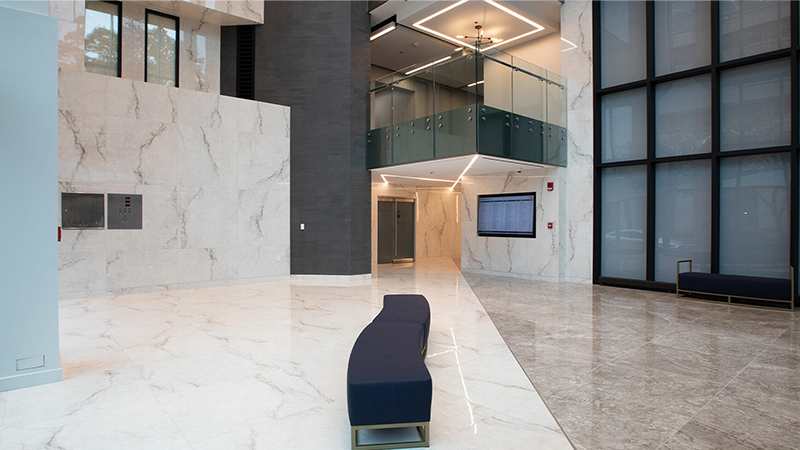
In medical real estate, the condition of the space communicates the standard of care, for instance:
- Outdated finishes suggest outdated systems
- Poor lighting implies neglect
- Noise issues convey disorganization
- Lacking maintenance indicates instability
Whether fair or not, patients equate the business environment with the businesses clinical and professional quality. Landlords should view building upkeep as brand protection for their tenants. Providers should view site selection as a strategic extension of their professional reputation.
Operational Stability Protects Reputation
Reputation isn’t only visual. It’s operational.
These issues may seem technical, but they directly affect patient experience:
- Missed maintenance
- HVAC failures
- Parking disruptions
- Elevator outages
For medical tenants, recurring facility problems can create appointment delays and patient frustration. For landlords, unresolved building issues can create online complaints that impact the entire property and their tenants. It’s important for both to draw complete clarity in lease responsibilities and maintenance obligations before anything is signed.
In healthcare, small disruptions can escalate quickly, and patients rarely separate provider performance from property performance — they experience both as one.
Growth Without Infrastructure Can Damage Credibility
Expansion is positive, but expansion without preparation can strain your practice long term.
Adding providers without adequate space can create crowded waiting areas, bathrooms, and parking. Introducing new services or practitioners without a thoughtful build-out can disrupt workflow and create inconsistent standards, diluting brand perception.
Patients also expect the same experience at every visit and every location, which requires a successful blueprint from the first. For organizations managing multiple offices, maintaining brand standards across properties is critical.
Location Signals Professional Standing
Where a practice operates also shapes how it is perceived. Visibility, accessibility, parking availability, and proximity to complementary providers all contribute to perceived legitimacy.
Location in a well-maintained, medical-ready building signals stability and professionalism, whereas an outdated or poorly maintained environment can suggest the opposite.
Market context matters as well. Practices in high-growth healthcare corridors benefit from proximity to established referral networks and patient density.
Reputation Impacts Asset Performance
When it comes to landlords and investors, tenant reputation directly influences property performance. Strong healthcare tenants can assist with the following
- Attract consistent patient traffic
- Generate long-term lease commitments
- Invest in build-outs
- Elevate the perception of the entire property
Conversely, underperforming or poorly managed tenants can affect occupancy rates and long-term value.
This alignment is why real estate decisions cannot be separated from brand considerations. When providers protect their reputation, landlords benefit. When landlords maintain professional, stable environments, providers benefit. Reputation is shared.
Digital Reputation Is Tied to Physical Experience
In today’s healthcare environment, reputation extends beyond word of mouth. Online reviews, social media commentary, and referral platforms amplify every patient experience — good or bad.
What many providers overlook is how frequently negative feedback references the facility, not just the care. Complaints about parking congestion, outdated waiting rooms, poor lighting, or building maintenance often appear alongside clinical reviews.
For landlords, this means building standards directly influence tenant ratings. For providers, it means real estate decisions shape digital perception in measurable ways.
Protecting Reputation Requires Intentional Decisions
Reputation isn’t built accidentally. It’s reinforced through the following:
- Thoughtful site selection
- Clear lease structures
- Proactive maintenance
- Consistent design standards
- Strategic expansion planning
For healthcare operators, this means viewing real estate as part of brand strategy. For property owners, it means viewing building management as tenant brand protection.
At Gittleson Zuppas Papantoniou, we advise clients with this alignment in mind — recognizing that reputation, performance, and property are interconnected.
Conclusion
In healthcare, reputation determines growth, retention, and long-term success.
It’s shaped by how patients feel when they enter a building, it’s reinforced by operational stability, and it’s protected by real estate decisions that support consistent, professional delivery of care.
For both healthcare providers and property owners, reputation isn’t separate from real estate strategy. It’s built into it.