

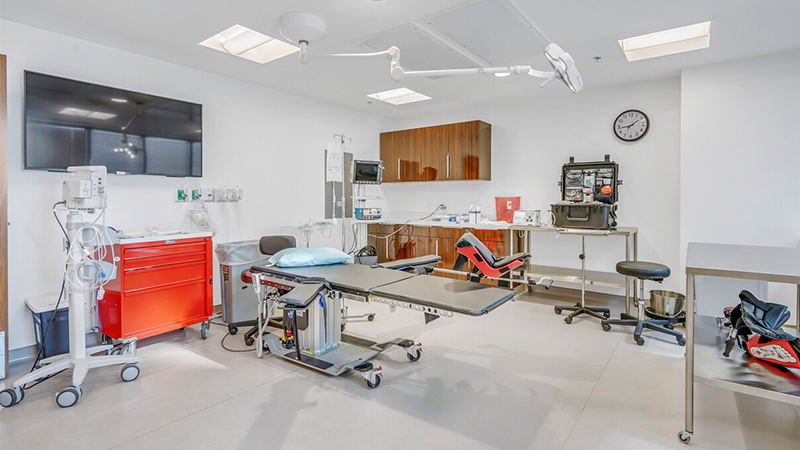
Issues such as crowded waiting rooms, inefficient patient flow, outdated fittings, limited storage, or inadequate infrastructure can create daily challenges for your practice. When renewing your lease or considering relocation, these concerns become important negotiation points.
Office improvements should be tied to your practice’s operations, patient needs, and future business goals, rather than treated as a simple wish list.
Effective negotiation can transform a standard office into a space that enhances patient flow, operational efficiency, and future growth.
Start With What the Space Is Costing You
Before requesting improvements from your landlord, carefully assess how your current space functions.
Where are staff losing time? Are patients moving through the office efficiently? Is the reception area large enough for your patient volume? Are exam rooms appropriately positioned? Does the existing infrastructure support the equipment your practice uses today?
Review the financial aspects of your lease, including any operating expenses passed through by the landlord. These costs, combined with the space’s condition and functionality, should inform the decision on whether to improve, renegotiate, or relocate.
Negotiating Points
“Can you renovate the office?” is a broad request. Effective negotiations begin with specific requests. Depending on the practice, improvements could include:
- Reconfiguring exam or treatment rooms to improve patient and staff movement
- Adding or relocating plumbing for sinks, equipment, or specialty spaces
- Upgrading electrical capacity for medical equipment and technology
- Improving lighting throughout patient and clinical areas
- Expanding or redesigning reception and waiting areas
- Adding storage where supplies and equipment are currently competing for space
- Improving accessibility
- Updating finishes and flooring
- Modifying doors, walls, or corridors to create a more functional layout
- Preparing the space for future equipment or additional providers
Each request should be supported by a clear purpose. For example, an improved layout can reduce unnecessary movement, additional storage can declutter clinical areas, and infrastructure upgrades can eliminate the need for future construction when adding equipment.
Look Beyond the Walls
Some of the most critical lease terms extend beyond paint, flooring, or construction.
When negotiating a medical office lease, consider terms that will impact your practice long after initial improvements are completed.
That can include:
- Expansion rights
- Renewal options
- Timing for construction and delivery
- Responsibility for repairs and maintenance
- Operating expense provisions
- Signage rights
- Parking
- Assignment or sublease provisions
- The right to expand within the building
- Conditions for future improvements
These terms influence how easily your practice can adapt to increased patient volume, new providers, or expanded services.
Is It Worth Relocating?
Not every problem with an office can be fixed with a construction budget.
In some cases, renegotiating the current lease and improving the existing space is best. In others, building limitations may make relocation the better option.
GZP Medical Realty’s tenant representation process evaluates the existing office, location, lease terms, operating expenses, and advantages and disadvantages of the current space before recommending whether to renegotiate or relocate. If relocation makes sense, the process can include a detailed market survey, tours, property evaluation, and proposals from selected opportunities.
Expand Without Limits
Your real estate strategy should not put a ceiling on your practice. GZP Medical Realty helps tenants:
- Find medical space that supports patient flow and operational efficiency.
- Negotiate more effectively with a team that brings over 30 years of experience.
- Roll out clinics, surgery centers, and specialty practices across multiple markets with speed and consistency.
With a healthcare-only focus and experience representing thousands of medical professionals, GZP Medical Realty provides market insight and lease negotiation expertise for decisions that impact your practice long-term.