

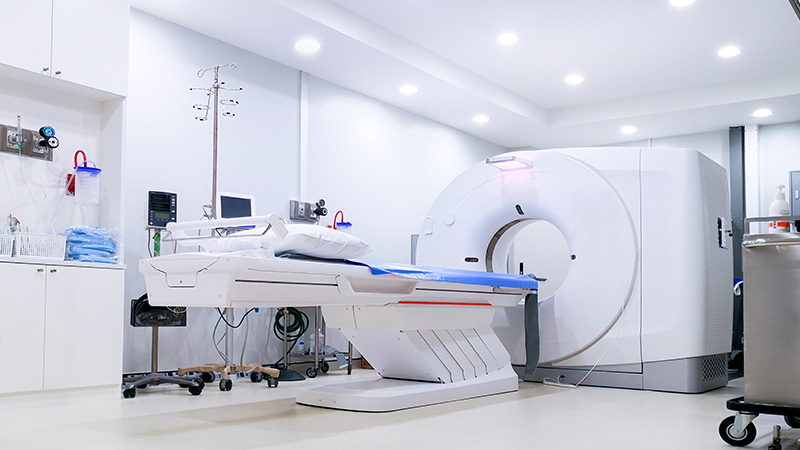
Adding imaging capabilities to your practice can transform patient care, improve your diagnostic accuracy, and expand your service offerings. But installing an MRI, CT scanner, X-ray, or ultrasound machine isn’t as simple as ordering equipment and plugging it in.
It’s a property, infrastructure, and compliance project and if you don’t plan for it from the start, you risk delays, budget overages, and disruptions to your practice.
Whether you’re a landlord preparing a space or a tenant expanding your services, here’s what you need to know if you’re considering adding imaging equipment to your practice.
1. Space and Layout Requirements
Imaging equipment has very specific size, clearance, and installation requirements. Before you commit to any purchase, you need to consider whether that space can physically accommodate the equipment and its supporting infrastructure.
These types of details should, ideally, be addressed during early design and space planning, because adding imaging is rarely just an equipment or design decision—it’s also a real estate decision.
Here’s a short list of what you need to consider:
- Room size and shape: Many machines require larger-than-standard exam rooms with clear space for patient positioning, staff movement, and maintenance access.
- Ceiling height: Certain modalities, like MRIs, require extra vertical clearance.
- Door widths: Imaging machines can be large and heavy; they need to fit through entry points without costly demolition
- Floor load capacity: Heavy machines may require structural reinforcement.
2. Power and HVAC Infrastructure
Imaging equipment often has high electrical demands, so adding these systems post-design will usually require significant upgrades—especially in older buildings. In many cases, equipment generates enough heat that existing HVAC systems need to be supplemented to maintain patient comfort and equipment performance during operation.
This may also impact shared infrastructure, particularly in multi-tenant buildings, so landlords need to consider:
- Dedicated electrical circuits and the accurate voltage for your specific machine
- Surge protection to safeguard sensitive electronics
- Sufficient HVAC capacity to keep the room and machine within manufacturer-recommended temperature ranges
3. Radiation Shielding and Compliance
If you’re installing an X-ray or CT scanner, radiation shielding isn’t optional—it’s required by federal, state, and local regulations. This typically means lead-lined walls, doors, and sometimes glass. Shielding design must be completed by a qualified physicist and integrated into construction plans.
Installing shielding after the fact is expensive and disruptive to your patients and practice. Incorporating it into the initial build-out is far more efficient and helps avoid inspection delays later on.
4. Access and Patient Flow
Adding imaging equipment isn’t just about fitting the machine into the space; it’s also about ensuring patients and staff can use it easily.
Think about:
- Proximity to waiting areas: The simpler the path from check-in to imaging will ensure a streamlined patient experience.
- Privacy: Patients may need to change clothes or undergo sensitive exams; ensure an appropriate level of privacy is accessible.
- Accessibility: Entry points and pathways should meet ADA standards and be comfortable for patients with mobility challenges.
Good patient flow reduces bottlenecks and keeps appointment schedules on track. It also increases patient satisfaction.
5. Lease and Landlord Coordination
Significant structural or infrastructure modifications will require landlord approval, especially in multi-tenant buildings. Landlords should see these upgrades as an investment, as imaging services often increase a practice’s revenue potential, multi-tenant appeal, and traffic, which can all contribute to stronger rent-paying capacity and longer lease terms.
With these types of enhancements, practice changes, and longer lease terms, lease amendments are often triggered to cover:
- Responsibility for build-out costs
- Changes to electrical or HVAC capacity
- Allocation of maintenance responsibilities for upgraded systems
6. Budget and Timeline Planning
The cost of adding imaging isn’t just the machine. You’ll also need to account for:
- Architectural and engineering design
- Construction and infrastructure upgrades
- Compliance inspections
- Staff training and workflow integration
Timelines can range from 4–12 months depending on the modality, permitting requirements, and equipment lead times. This makes early planning essential, particularly if you want to align your go-live date with seasonal patient demand or other practice changes.
The Strategic Value of Imaging Services
For practices, adding imaging can improve patient retention, attract referrals, and create new revenue streams. For landlords, it can anchor a building with a high-value tenant who is less likely to relocate.
Both sides need to approach the project with a shared understanding of the real estate, infrastructure, and compliance requirements. Done right, imaging can be a win for patients, providers, and property owners alike.
Ready for Next Steps?
Adding imaging equipment is an investment in better care and in the right property strategy. The technical requirements are non-negotiable, the compliance standards are strict, and the build-out needs are significant.
The best results come when medical and real estate strategies work together from the start.
If you’re planning to add imaging to your practice, Gittleson Zuppas Medical Realty can help you evaluate space compliance, manage the build-out process, and align your lease and property strategy to support your investment from day one.